Source silicone oven door seal strip for appliances, vehicles, and machinery
Find and compare 30 listings for silicone oven door seal strip options tailored for household appliances, electronic products, and industrial machinery. Evaluate custom sizes, temperature resistance up to 250°C, and OEM services from verified manufacturers in China.
Key considerations
Products List



Comprehensive Sourcing Guide
Silicone Oven Door Seal Strip Sourcing Guide
Sourcing high-performance sealing components for household appliances and industrial machinery requires a disciplined approach to material selection and supplier verification. The silicone oven door seal strip is a critical component designed to maintain thermal efficiency, ensure safety, and provide airtight closure in high-temperature environments. Buyers must navigate a market where product attributes vary significantly based on the specific application, whether for vehicle doors, household appliances, or electronic products. This guide provides evidence-based procurement strategies to help buyers identify suitable suppliers, verify technical specifications, and mitigate supply chain risks without relying on unverified claims.
The following sections outline the essential steps for evaluating silicone seal strips, focusing on material properties, compliance documentation, and commercial terms. By adhering to these guidelines, procurement professionals can ensure that the selected seals meet rigorous performance standards for temperature resistance, durability, and customization needs. The insights provided are derived from observed market data and trusted category knowledge, offering a practical framework for making informed sourcing decisions.
Product Scope and Observed Listing Signals
The market for silicone sealing strips encompasses a diverse range of applications, including household appliances, electronic products, machinery, and industrial components. Observed listings indicate that these seals are frequently used in contexts requiring robust sealing effects, such as creating holes with seals or providing fixture and sealing functions. The versatility of silicone rubber and sponge rubber materials allows for customization across various industries, from automotive applications to general-purpose sealing needs. Buyers should recognize that the term "silicone oven door seal strip" may overlap with broader categories of silicone rubber strips, Y-rings, and extruded profiles, each serving distinct functional roles.
Observed product listings reveal a wide price range, typically between 0.1 and 10 USD per unit, reflecting variations in material quality, cross-section shape, and order volume. Minimum Order Quantities (MOQs) also vary significantly, ranging from as low as 1 unit to 1000 units, indicating flexibility for both prototype testing and large-scale production runs. Many suppliers offer free samples and welcome OEM/ODM requests, which facilitates early-stage evaluation and customization. However, buyers must carefully distinguish between generic silicone strips and those specifically engineered for high-temperature oven applications, as performance requirements differ substantially between these use cases.
Technical Specifications to Verify
Temperature resistance is a paramount technical specification for oven door seals, given the extreme thermal conditions they endure. Observed data suggests that some silicone rubber strips can withstand temperatures ranging from -60 to 250 degrees Celsius, while others may support ranges up to -70 to 250 degrees Celsius. Buyers must verify the specific temperature rating of the material, ensuring it aligns with the operational limits of their equipment. Silicone rubber and EPDM are common materials cited in listings, each offering different advantages in terms of flexibility, durability, and chemical resistance. It is crucial to confirm whether the seal is made from solid silicone rubber or sponge rubber, as this affects its compressibility and sealing effectiveness.
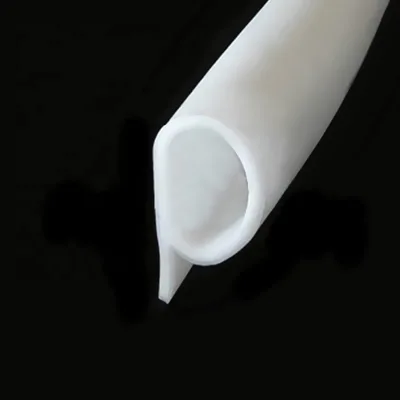
Cross-section shape and size customization are critical factors in ensuring a proper fit and seal. Listings indicate that seals are available in various shapes, including Y-rings and custom profiles, with sizes that can be tailored to specific requirements. The manufacturing process, often extrusion, allows for continuous production of long strips that can be cut to length, facilitating efficient installation. Buyers should request detailed drawings or samples to verify the cross-section geometry and ensure compatibility with their door frames. Additionally, color options such as red, black, white, and transparent are available, which may be relevant for aesthetic or identification purposes in industrial settings.
Compliance and Safety Documentation
Compliance with international standards is essential for ensuring the safety and quality of silicone sealing components. Observed listings mention certifications such as ISO9001, SGS, RoHS, and Ts16949, which indicate adherence to quality management systems and environmental regulations. Buyers should verify the validity of these certifications and ensure they cover the specific products being sourced. For oven door seals, compliance with food contact regulations may be necessary if the seal is in direct contact with food preparation areas. It is important to request current certification documents and confirm that they are issued by recognized testing bodies.
Safety documentation should also include material safety data sheets (MSDS) and test reports detailing the seal's performance under various conditions. Buyers should inquire about the vulcanization process, with continuous vulcanization being a common method cited in listings, as it affects the material's consistency and durability. Additionally, verifying the origin of the materials and the manufacturing location, such as Hebei, China, can provide insights into the supply chain's transparency and reliability. Ensuring that all documentation is up-to-date and accurately reflects the product specifications is a critical step in mitigating compliance risks.
Cost Drivers and Commercial Terms
Several factors influence the cost of silicone oven door seal strips, including material type, customization level, and order volume. The observed price range of 0.1 to 10 USD per unit reflects these variations, with higher costs associated with specialized materials or complex cross-section shapes. MOQs ranging from 1 to 1000 units allow buyers to scale their orders based on production needs, but larger volumes may offer better pricing. Buyers should negotiate terms that align with their production schedule and inventory management strategies, considering the lead times and delivery options provided by suppliers.
Commercial terms such as payment methods, packaging, and delivery times are also key considerations. Observed listings indicate that suppliers often accept T/T and L/C payments, with delivery times ranging from 7 to 15 days after order confirmation. Packaging is typically done in cartons or wooden pallets, with options for custom packaging to meet specific requirements. Buyers should clarify these terms in writing to avoid misunderstandings and ensure that the supplier can meet their logistical needs. Additionally, understanding the supplier's experience, such as over 20 years in the industry, can provide confidence in their ability to deliver consistent quality and service.
Supplier Qualification and Quality Control
Evaluating supplier qualifications is crucial for ensuring the reliability and consistency of silicone seal strip supplies. Buyers should assess the supplier's manufacturing capabilities, including their experience, production processes, and quality control measures. Observed listings highlight that many suppliers are manufacturers with extensive experience, which can be a positive indicator of their expertise. However, buyers should verify this information through site audits or third-party inspections to confirm the supplier's actual capabilities and adherence to quality standards.
Quality control processes should include rigorous testing of material properties, dimensional accuracy, and performance under simulated operating conditions. Buyers should request test reports and samples to evaluate the seal's quality before placing large orders. Additionally, establishing clear communication channels with the supplier is essential for addressing any issues that may arise during production or delivery. Suppliers that offer OEM services and customization options can provide greater flexibility, but buyers must ensure that these services are managed effectively to maintain quality and consistency.
Long-Term Procurement Checks
Establishing long-term procurement relationships requires ongoing monitoring and evaluation of supplier performance. Buyers should regularly review key performance indicators such as delivery times, product quality, and responsiveness to issues. Observed listings indicate that many suppliers offer continuous service and customization, which can be beneficial for long-term partnerships. However, buyers must remain vigilant in verifying that the supplier continues to meet their evolving needs and maintains compliance with relevant standards.
Regular audits and feedback loops are essential for maintaining high standards of quality and service. Buyers should conduct periodic reviews of the supplier's certifications, production processes, and material sources to ensure ongoing compliance. Additionally, fostering open communication and collaboration with the supplier can help identify opportunities for improvement and innovation. By implementing these long-term procurement checks, buyers can build resilient supply chains that support their operational goals and mitigate risks associated with sourcing critical components like silicone oven door seal strips.
FAQs
What materials are used for silicone oven door seal strips?
Silicone rubber and sponge rubber are the primary materials used for these seals. Some products also utilize EPDM for specific applications like automobiles and doors. The material choice depends on the required temperature resistance and flexibility for the intended use.
Can I get custom sizes and colors for the seal strip?
Yes, customization is available for both size and color. Buyers can request specific dimensions and colors such as red, black, white, or transparent. The manufacturer supports OEM and ODM services to meet unique design requirements.
What is the temperature range for these silicone seals?
The seals typically operate within a temperature range of -60 to 250 Celsius. Some specific models may withstand temperatures as low as -70 Celsius. This wide range ensures durability in various industrial and household appliance environments.
How long is the delivery time for orders?
The standard delivery time is 7 to 15 days after the order is confirmed. This lead time applies to most orders regardless of the specific model selected. Buyers should confirm exact timelines based on their order volume and customization needs.
What certifications do the manufacturers hold?
Manufacturers often hold certifications such as ISO9001, SGS, RoHS, and TS16949. These standards ensure quality management and compliance with safety regulations. Buyers can verify specific certifications for each product model before placing an order.
Is the minimum order quantity flexible for buyers?
The minimum order quantity varies, with some products requiring 500 meters while others start at 1 unit. Buyers can find options with MOQs ranging from 1 to 1000 units depending on the supplier. Custom orders may have different thresholds based on production capacity.
Are free samples available for testing before bulk purchase?
Free samples are provided for buyers to test product quality before committing to bulk orders. This service allows customers to verify material properties and dimensions. Buyers should contact the manufacturer directly to request samples for specific models.